What have you done for me lately?
We are graced with another guest post. This time, by Maria Ceballos-Wallis.
“Ask not what NAJIT can do for you, but what you can do for NAJIT,” this age-old question came up at one of our town hall meetings a few years ago. This got me thinking about the relationship between NAJIT members and the association and vice versa. I concluded that the NAJIT and, in fact, any association, is only as strong as its members want it to be and that in order for the association to be able to have a strong presence before regulating authorities, the members have to actively involve the association in matters of concern to them.
During the 12 or so years that have elapsed since my arrival in Atlanta, GA, I have worked as both a freelance and staff interpreter. Early on, I became involved with AAIT, the Atlanta Association of Interpreters and Translators. During my time on the AAIT Board of Directors, I focused my energy on organizing workshops, networking events and job fairs to promote interpreter advocacy and education. It was through AAIT that I became a NAJIT member, often attending conferences to bring back ideas and initiatives that would be of use to our local members. After establishing myself as an advocate for interpreter training and language access rights, I was asked to join the Board of the Georgia Commission on Interpreters as one of two Interpreter members.
This was an opportunity to bring new ideas regarding interpreter education and professionalism to the table and propel change that would not only benefit interpreters as professionals, but also the recipients of T&I services. In this new forum, I quickly found out that anecdotes and complaints were not going to be enough to address some of the more important issues, such as the lack of a requirement for continuing education in Georgia, and promote the adoption of best practices, such as team interpreting. In order to be effective, it would be necessary to have to regroup and reassess the tools I was bringing with me, which networks, colleagues, researchers and associations could I contact for information and support?
It was clear to me, that NAJIT continued to be my most valued asset. I reached out to NAJIT’s almost 40-year strong history and collective knowledge of the industry and standards of interpreting for support. On June 20th, 2017,Rob Cruz, in his role as Executive Director of the NAJIT was invited to address the GCOI board directly. In a short but well received presentation, Rob addressed interpreter professionalism, cleared up misconceptions regarding interpreter work conditions, educational resources and requirements, and provided data to back up the association’s position regarding the importance of continuing education. The presentation was followed by an extensive Q & A and a few weeks later by a letter from the NAJIT Board summarizing the visit. Shortly after NAJIT’s intervention at the GCOI meeting, the Board agreed to include continuing education and other licensing requirements in its extensive revision of interpreter requirements and guidelines. Since the Board meets only quarterly, the process takes a long time, but more progress has been made in a year than in many years past. Specifics are still being worked out and these will have to be reviewed by attorneys before being presented to the Supreme Court for review and approval. The resistance to change is slowly eroding and a path for continued interpreter professionalization has been set.
How much of this is due to NAJIT’s input is hard to calculate. Indirectly, NAJIT resources, conferences and training have provided me with the tools I needed to identify and address personal, local and professional concern. Through the work of many over the years, including SSTI, the Society for the Study of Translation and Interpretation, NAJIT has provided a stable backbone to our industry and our community of interpreters. These resources are not only available to us members, but to the Judiciary and T&I communities at large. Directly, NAJIT has presented the unified and professional face of judiciary interpreting profession before Court Administrators, Judges and Justices and given them access to collective national knowledge not available elsewhere.
In my case, it was by bringing NAJIT into the process that I understood that my roles as a member of the organization is to make sure that these resources and knowledge are made available to decision makers who need to hear what we have to say on a collective level. This, in turn, adds to the existing platform from which all interpreters can benefit.
While the process is taking place, I continue to both contribute to and receive from NAJIT. As NAJIT evolves and produces new initiatives, resources, and documents and engages in new interactions, I return to the original question which in my mind has been transformed from, “Ask not what NAJIT can do for me”, or vice versa, to What can NAJIT and I do for each other?
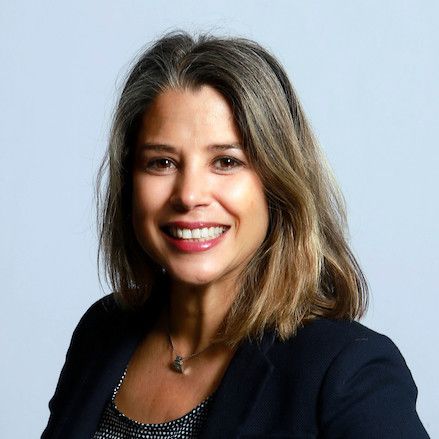
Maria Ceballos-Wallis is a Certified Court Interpreter (FL/GA) and translator, interpreting at all levels of court, among other venues, and provides bilingual (Spanish/English) mediation services for The Justice Center of Atlanta, private clients and individual county court systems in Atlanta. Maria has received diversity training through “Bridging the Gap” and mental health training through the Georgia Department of Health and Developmental Disabilities. She is on the board of Directors of the Atlanta Association of Interpreters and Translators and a member in good standing of the Georgia Office of Dispute Resolution. Learn more about her work at her website.
We love to hear from our readers! If you wish to make a comment on this blog post, please use the comment box on the page below the post.
Categories
Select Category
Archives
Select Month
The views and opinions expressed are those of the author and do not necessarily reflect the official position of NAJIT.
Recent Posts