

Do Not Judge Lest You Be Judged

Hilda Zavala-Shymanik • August 27, 2026

Share this article

Do Not Judge Lest You Be Judged

By: Hilda Zavala-Shymanik

“Do not judge lest you be judged” sounds too much like a religious quote and indeed it is a famous saying from Jesus in the Sermon on the Mount found in Matthew 7:1. However, I believe, religious connotation aside, we can embrace it as a maxim when faced with situations that are not handled as we would have handled them.

I am talking about our comments in chats or during meetings, or sometimes just talking with a colleague, partner or profession-related friend regarding professional fees.


I often see strong reactions when practitioners, for different reasons, decide to accept a lower fee than what many of us would consider appropriate. I understand where those reactions come from. We all care about our professions, and it is natural to be concerned about how individual decisions may affect the market and, ultimately, all of us. At the same time, I wonder if there is another way of approaching these situations that might be more helpful to everyone involved.

Previously, I have shared that my background is in accounting and, before interpreting, I was an accounting manager at several big companies and then I started offering the same services on a freelance basis.


Well, doing the calculations, when I started working in person as an interpreter back in 2007, I was earning an average of $20 dollars per hour more than I did in accounting and, to me, that was like a miracle. And I was doing something that I love. It was not until many, many years later that I learned the amount I was earning was not adequate for the level of skills I needed to have to be successful in this profession.


But I was not born with this knowledge of appropriate, standard and fair fees. I started as many people did back then and still do, without much help, and the fee information was either not available, or at least not available to me.


So, when I see posts about X-amount of dollars an hour that seems really low, sometimes as low as cents per minute, shared in different international interpreter groups and chats, I feel bad for those colleagues, but I also remind myself that I do not know their circumstances. I do not know what their background is, the amount of fee information available to them, or their financial situation.


I do not know if the person receiving that amount and feeling happy with it is a single mother who has no better option. I also do not know whether they are just starting out, whether they are working in a completely different economic environment, or whether they have simply not yet had the opportunity to learn how to calculate what they truly deserve to earn.


And this is where I think we have an opportunity to do something positive.


Rather than trying to determine who is right or wrong, or whether someone is helping or hurting the profession, perhaps we can focus on making sure that our colleagues have enough information to make those decisions for themselves.


Perhaps the answer is not to focus on the individual accepting the lower fee, but on asking ourselves what we can do to make sure more practitioners have access to the information they need to establish fees that work for them.


There is truly something we can all do about it, which is why I want to encourage everyone to empower our colleagues by sharing knowledge.

We can share how we arrived at our fees, what expenses we need to consider, what we wish we had known when we started, and what resources helped us along the way. Maybe that will do more for our professions than any criticism ever could.


In what little I know about price fixing and antitrust laws, I believe this is also an area where we need to be careful and informed. Below is a great article to revisit, written by Tony Rosado, regarding antitrust laws. Interpreter fees and antitrust legislation and policy worldwide.

SUGGESTIONS TO EMPOWER OUR LOW FEE EARNER COLLEAGUES:

Privately share the way you establish your fees. Everyone involved in these beautiful professions of ours can take a new colleague under their wing and help them develop their own fee structures based on their needs, and factoring in all the things that we overlook when we start working as freelancers, such as quarterly taxes, medical and life insurance, errors and omissions insurance, vacation and sick time off, etc.


Additionally, if you, yourself do not know what brought you to your current fees, do the math and calculations of the amount that you need to live as comfortably as you want and then compare it with what is out there in the market. If it is a compatible number, go for it! If not, find out what you need to do to make your services worth as much as you want to earn.


And perhaps this is where we can all contribute, regardless of the fees we currently charge. Those who have been doing this for many years can share what they have learned. Those who are newer can ask questions and share what they are experiencing. Those who have found a fee structure that works for them can explain how they got there.

As you know, authorities establish minimum wages, right? Well, lastly, I wonder, in a comparative way, what would be our “minimum acceptable fee”? Is there such a thing? Maybe we must find a range that we can share with one another. At the very least, if we are not able to share our rates publicly, this should be the least we can do as a profession.


And it is a fact that we can privately share fee ranges with our newer colleagues, while making it clear that everyone has to make their own decisions based on their circumstances, their market and their needs. We are not imposing anything on anyone. We are simply sharing information that may help someone make a more informed decision.


At the end of the day, I think we all want the same thing: to be able to make a living doing work that we value and love, and to see our professions treated with the respect they deserve.


Maybe instead of asking, “Why would anyone accept that fee?” we can sometimes ask, “What information might this person need that could help them make a different decision in the future?”


Please share your thoughts and ideas in the comments section below to improve interpreter and translator fees globally.


Keep the Conversation Going


If this topic resonated with you, be sure to check out our previous blog posts for more insights on the realities of our profession, and the evolving world of judiciary translation and interpreting:


The Work Behind the Words: And You May Ask Yourself, "Well, How Did I Get Here?" — How do language skills, creativity, and curiosity come together in the world of subtitling?                                       

When Life Hits Turbulence  — How can we navigate life’s turbulence when unexpected challenges shake our sense of calm?   

Join the Conversation — A quick guide to commenting on The NAJIT Observer 

When Preparation Is a Matter of Respect: Interpreting Victim Impact Statements — What happens when preparation becomes not just part of the job, but a matter of respect?          


You can find these and more in our blog archives!


Interested in sharing your insights with our community? 

Check out Writing for The NAJIT Observer to learn how you can contribute.


Disclaimer:

The views and opinions expressed in this post are those of the author(s) and do not necessarily reflect the official position, policies, or views of the NAJIT Board of Directors or the organization as a whole. Content published in The NAJIT Observer is intended to encourage professional dialogue, reflection, and community engagement. Reader discretion is advised where topics may involve complex ethical, professional, or emotionally sensitive subject matter.


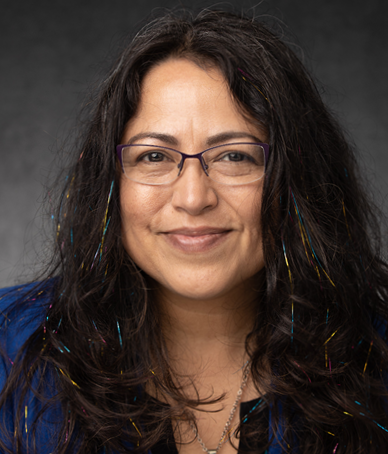
Hilda Zavala-Shymanik 

Blog Writer and Proofreader


Hilda Zavala-Shymanik is a state-certified and approved Spanish court interpreter with extensive credentials, including certifications in NY, NJ, IL, WI, TX, and CCHI performance-tier certification.


A prominent leader in the National Association of Judiciary Interpreters and Translators (NAJIT), she has served as Vice Chair, Board Member, Director, Treasurer, Chair of the Nominations Committee, Chair of the Elections Committee, Chair of the Conference Committee, Chair of the Advocacy Committee, member of the Education and Training Committee, member of the Advocacy Committee, member of the Conference Committee, Co-Chair of the Conference Committee, interim TNO Editor and current TNO writer and editor. She also served as President of the New York Circle of Translators. Hilda works with the courts in Illinois and Wisconsin. Born in Chicago and raised in Mexico, she brings deep bicultural insight to her profession.


We love to hear from our readers! If you wish to make a comment on this blog post, please use the comment box on the page below the post.

Categories

Archives

Select Month

The views and opinions expressed are those of the author and do not necessarily reflect the official position of NAJIT.

Recent Posts
By Cecilia Moreira August 21, 2026
When Preparation Is a Matter of Respect – Interpreting Victim Impact Statements
By NAJIT Editor August 12, 2026
Join the Conversation A quick guide to commenting on The NAJIT Observer
By Ann (Jiraporn) Heath-Huynh August 6, 2026
When Life Hits Turbulence By: Ann (Jiraporn) Heath-Huynh
Show More